
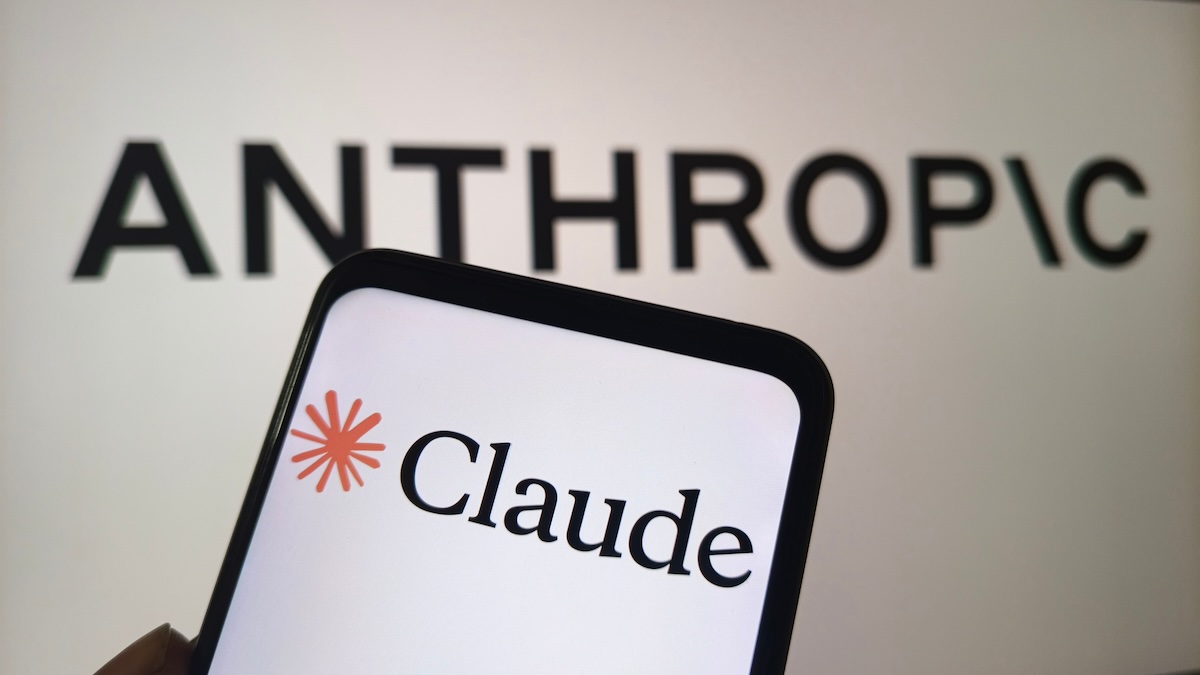
Artificial intelligence company Anthropic is currently petitioning a federal court to dismiss significant portions of a copyright lawsuit brought by a coalition of music industry giants, including Concord, Universal Music Group, and ABKCO. The legal battle centers on the alleged unauthorized use of copyrighted song lyrics to train the company’s AI chatbot, Claude, marking a pivotal moment in the ongoing copyright lawsuit over AI training.
The publishers initiated the litigation in 2025, asserting that Anthropic systematically copied and stored thousands of protected song lyrics without obtaining the necessary permissions during the development of its large language models. The plaintiffs argue that this unauthorized ingestion of intellectual property constitutes a clear infringement of their rights and that the company should have secured formal licensing agreements before utilizing these works for commercial AI development.
Legal Arguments and Potential Implications
In a newly filed motion, Anthropic has pushed back against these allegations, arguing that several of the publishers’ claims are legally insufficient. Specifically, the company is requesting that the court dismiss allegations related to contributory and vicarious copyright infringement, contending that the current complaint fails to provide the necessary legal foundation to support these specific theories of liability.
While a favorable ruling for Anthropic would narrow the scope of the litigation, it would not result in a total dismissal of the case. The core copyright infringement claims brought by the music publishers would remain active, ensuring that the fundamental dispute over AI training practices continues to move through the court system.
A Defining Moment for AI and Music
This case has emerged as one of the most significant legal confrontations regarding the intersection of artificial intelligence and the music industry. At the heart of the matter is a question that could fundamentally reshape the future of generative technology: whether developers are permitted to use copyrighted creative works to train AI systems without explicit authorization from rights holders.
Music publishers maintain that licensing is essential, asserting that AI companies must negotiate with creators before incorporating their work into commercial models. Conversely, Anthropic maintains that its training processes may qualify as fair use under U.S. copyright law—a defense that is currently being tested in multiple federal courts across various industries.
The outcome of this litigation will likely have far-reaching consequences. Beyond the immediate parties involved, the court’s final decision could influence future licensing frameworks, the nature of negotiations between technology firms and rights holders, and the technical standards for how generative AI models are built in the years to come. As the court weighs the motion to dismiss, the industry remains in a state of anticipation, waiting to see how this landmark case will define the relationship between artificial intelligence and the future of music.