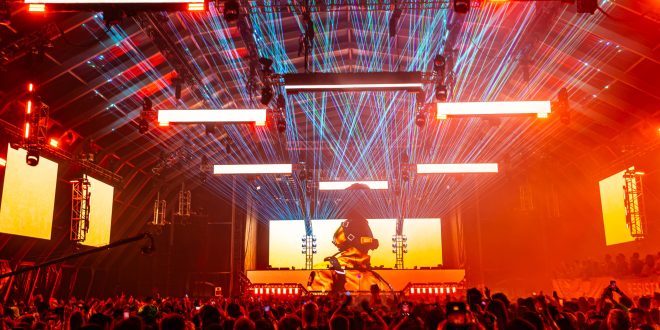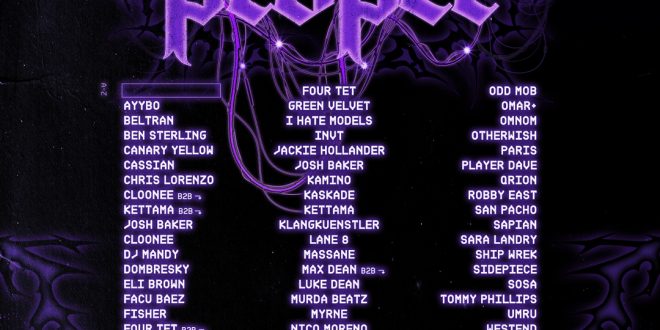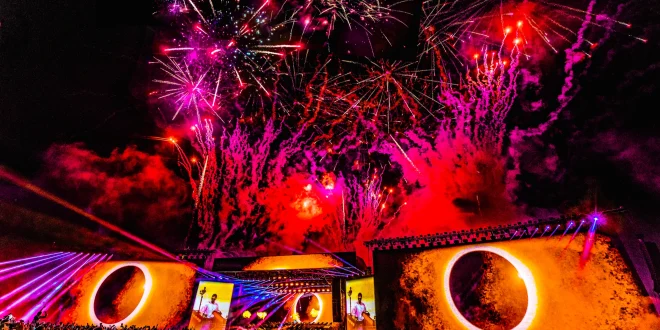

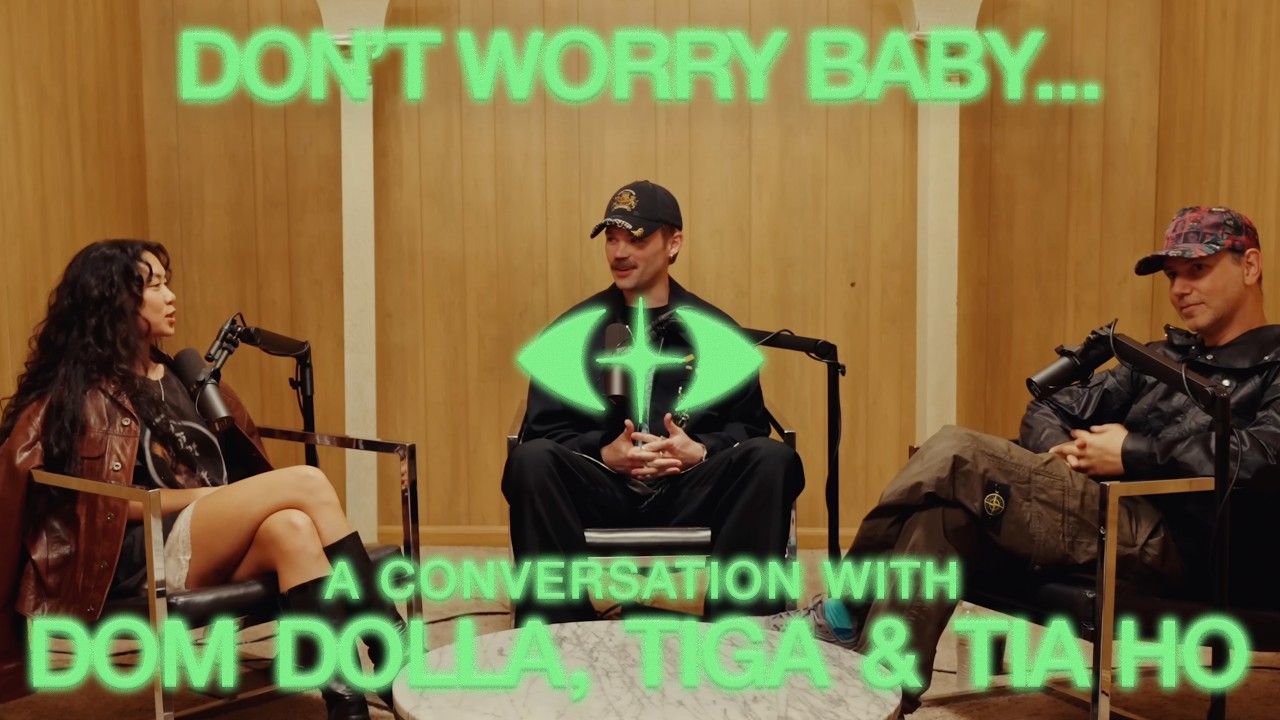
Dom Dolla is notoriously selective when it comes to interviews, a fact he readily acknowledges. However, in a recent, expansive conversation hosted by New York’s Tia Ho, the Australian electronic music powerhouse sat down with legendary producer Tiga to offer an unprecedented look into his life and creative philosophy. Filmed in an intimate, wood-paneled setting, the discussion moved beyond standard industry talk, touching on everything from mental health to the accidental origins of his most iconic records.
The Intersection of OCD and Perfectionism
Perhaps the most revealing aspect of the conversation was Dom Dolla’s candid discussion regarding his experience with OCD. Far from the common misconceptions of being merely a ‘clean freak,’ he describes the condition as a deeply internal struggle that significantly impacts his workflow. In the studio, this manifests as an relentless inability to sit with doubt. Every vocal take, drum pattern, and bassline is subjected to rigorous, obsessive testing, driven by a fear of not providing a record with its best possible chance at success. As Tiga noted, this level of scrutiny is intense; even a casual suggestion that a track was ‘good enough’ was often met with immediate, decisive correction.
Tiga, conversely, approaches the creative process through the lens of his own ADHD. Having identified his neurodivergence during lockdown, he views collaboration as a necessary structure—a way to find a ‘traffic cop’ to organize his flood of ideas. In Dom, he found that discipline, while Dom found in Tiga a partner who helped him demystify the mechanics of hit-making.
Filmed in a wood-paneled basement and structured more as a casual chat between friends than an interview, the chat ranges from ADHD and OCD to the gym being for losers, airline status wars, pub discos, and the accidental origins of some of both artists’ biggest records.
The Creative Mechanics of ‘Don’t Worry Baby’
The chemistry between the two artists culminated in the track ‘Don’t Worry Baby,’ a record engineered with the high-stakes pressure of a massive stadium performance. Written specifically for Dom’s historic show at Allianz Stadium in Sydney, the track was designed to resonate with 40,000 people, pushing his sound design into aggressive, cinematic territory. Interestingly, the song features a hidden vocal layer from Dom himself, added after Tiga failed to provide enough takes—a testament to the collaborative, often spontaneous nature of their work.
From Pub Discos to Global Stages
The conversation also delved into the humble beginnings of their careers. Dom shared stories of the Melbourne ‘pub disco’ scene—a world of blacked-out windows, cheap beer, and five-dollar entry fees that feels worlds away from the luxury of Hï Ibiza. These formative experiences, combined with a lifelong commitment to his signature mustache, have shaped the artist he is today. Tiga, matching him story for story, recounted his own journey from a childhood in India to becoming a dance music icon, maintaining his firm stance that ‘raving counts as cardio’ and that the gym is ultimately for those who aren’t dancing hard enough.
The interview concludes with a reflection on the longevity of their work, including the surprising revelation that Dom nearly shelved his massive hit ‘Rhyme Dust’ before it found its audience. Ultimately, the discussion serves as a reminder that behind the global tours and chart-topping records, the heart of the music remains the same: friends hanging out, talking about records, and building something new.