
Just like waves have crests and troughs, dance music genres trend up and down over the years. As one sound falls, another rises, and oftentimes they intersect along the way. The trance music wave went back out to sea several years back, but as I look out on the horizon, I see that wave roaring back, even if it’s still not fully visible yet. Even better, it merged with the subsiding wave of melodic techno, creating a wave that might be stronger than ever.
The Previous Height
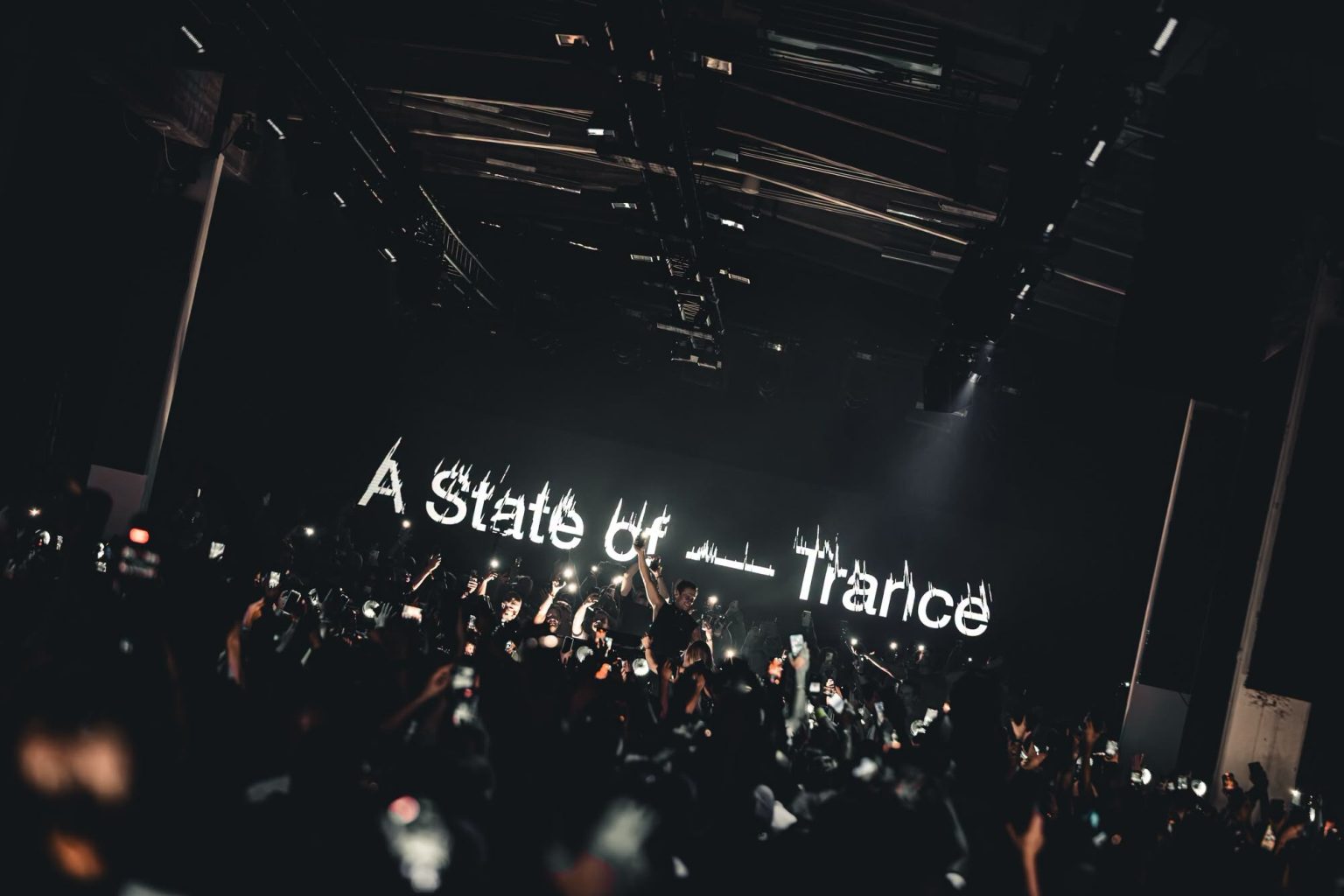
Trance music was riding high during the Golden Era of dance music (2010-2015). When progressive house was king, trance was right there along with it. The highest of highs combined with infectious melodies to put dance music fans into the oft-mentioned state of trance. This was the time when Armin van Buuren‘s A State of Trance took over the Ultra Megastructure stage each Sunday.
You could say the absolute height for trance music (in the US) was around 2013, when Armin van Buuren’s Intense album was released. The hype around the singles was huge; there was a big Armin Only Intense showcase, and then a flood of excellent remixes. This is also the time when Dash Berlin and Gareth Emery were releasing some of their most beloved tracks (and remixes), and the then-unknown talent Andrew Rayel was captivating the trance music community from abroad. The big room trance sound took off with W&W’s D# Fat collaboration with Armin, and trance continued mirroring the trends on the mainstage but with added intensity and emotion.
The Wave Begins to Wane
In 2015, the Golden Era basically ended, and big room fatigue began to set in as attention shifted towards “Future House” and less intense, less serious sounds. By this time, trance artists like W&W, Ummet Ozcan, Dash Berlin, and Tritonal had shifted to a big room mainstage sound and left the trance stages behind. Once the big room sound started to wane, they followed the trends and started making different music. This was around the time of Armin van Buuren’s next album, Embrace and Above & Beyond’s We Are All We Need. At this time, the trance scene was still kicking with beloved tracks and albums, but its future was a bit murkier.
The Rise of Afterlife
At the very same time that trance’s influence was receding, a new sound was catching the ears of trance music fans. It was melodic techno, introduced at that time by Tale of Us and their Afterlife label. It had the deep emotions and lengthy journeys of trance, but the dark hypnotic rhythm of techno. Perhaps what sold trance fans on Afterlife was its ability to start the musical journey in a very dark place, but meander its way over the course of hours to a soaring, uplifting finale that felt like the best of trance.
The Return of Tiesto
While many in the EDM scene had begun to assume Tiesto would never return to his roots, they were all underestimating him greatly. Apparently an expert at reading the trends in the dance music scene, Tiesto realized sometime in 2025 that the time was right for a huge move. The stars had aligned for him as melodic techno was a bit directionless and the trance scene had become a niche, but he saw that a true fusion of the two could really push things forward. With the fall of Afterlife, there was a huge vacuum in the techno scene, both musically and as a brand. Of course, Armin van Buuren and ASOT continued on with their strong fanbase, but there was still a ton of room for another big brand in the trance world.
The Trance Revival
Tiesto’s rebrand breathed new life into trance music and has given it the confidence to expand once again. This new version of trance is not just trance; it’s also techno. While Tiesto had some limited performances since his rebrand, he is playing it smart. He is following the path that techno artists like Anyma followed, with grand set-piece performances at the Belgium Atomium and headlining trance and house/techno festivals. The dance music scene is entering a very exciting new period, and trance music is leading the way.