

One of the most recognizable names in consumer camera technology is facing an uncertain future. GoPro has disclosed “substantial doubt” about its ability to continue operating as a going concern, raising fresh concerns about the long-term viability of the action camera pioneer.
The warning appeared in updated financial statements recently filed with the U.S. Securities and Exchange Commission, where the company acknowledged concerns about its ability to meet obligations over the next twelve months without securing additional financing or completing a strategic transaction. The filing was also accompanied by an explanatory paragraph from GoPro’s independent auditor, PricewaterhouseCoopers.
While the disclosure does not mean GoPro is filing for bankruptcy, it represents one of the strongest warnings a public company can issue regarding its financial condition.
Financial Struggles and Market Pressures
The company has struggled with declining sales and mounting losses in recent years. According to GoPro’s latest earnings reports, revenue continued to fall throughout 2025 while the company posted significant net losses. Recent filings also pointed to softer-than-expected sales during the early months of 2026, further adding to investor concerns.
GoPro says rising memory costs have created another major challenge. The company cited significant increases in flash memory pricing, which industry analysts have linked to growing demand from artificial intelligence infrastructure and data centers. As manufacturers prioritize memory supplies for AI-related technologies, companies dependent on storage-intensive consumer electronics have faced increasing cost pressures.
Strategic Shifts and Future Outlook
In response, GoPro has already taken aggressive measures to reduce expenses, including workforce reductions and operational restructuring efforts. Earlier this year, the company also announced that its board of directors had authorized a review of strategic alternatives, including a potential sale, merger, or other transaction designed to improve shareholder value.
The situation marks a dramatic shift for a company that helped define an entire product category. Founded in 2002, GoPro became synonymous with action cameras throughout the 2010s, building a devoted following among athletes, travelers, content creators, and adventure enthusiasts. At its peak, the company carried a market valuation exceeding $10 billion and was widely viewed as one of the most innovative consumer electronics brands in the world.
Today’s market, however, looks very different. Smartphone cameras have improved dramatically over the past decade, absorbing many of the casual photography and video needs that once drove demand for standalone action cameras. Combined with increased competition, shifting supply chains, and rising component costs, the challenges facing GoPro reflect broader changes occurring throughout the consumer technology industry.
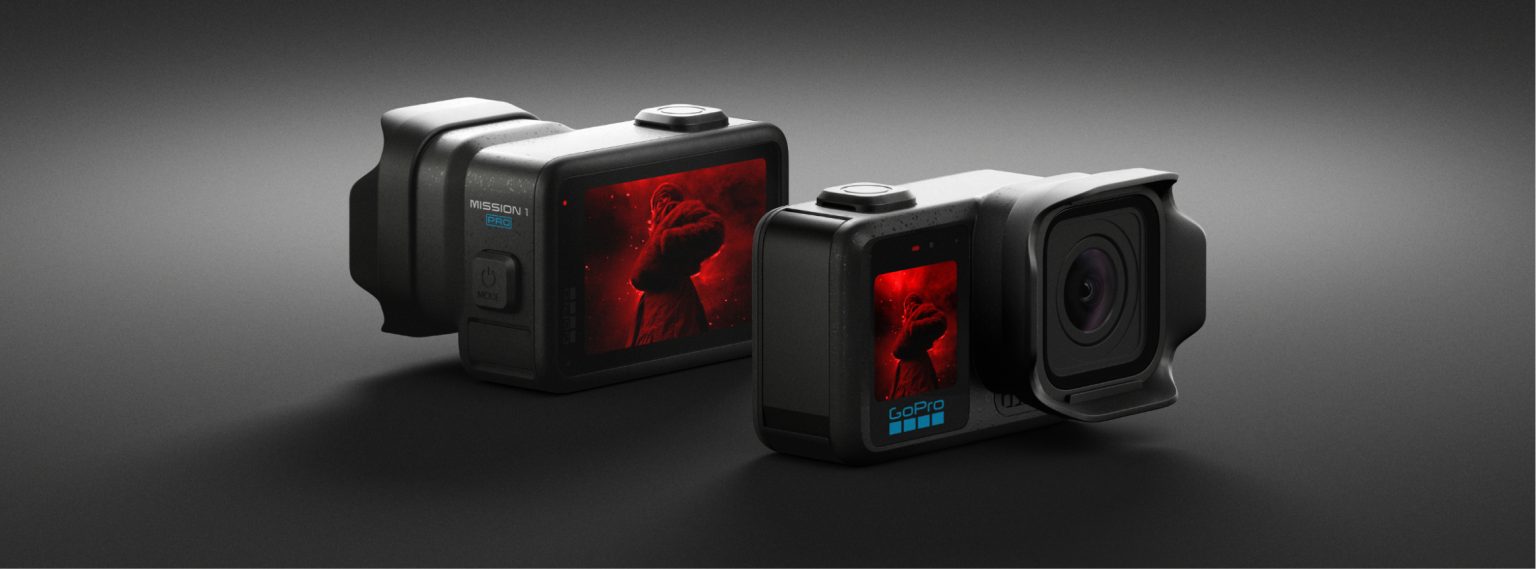
Despite the warning, GoPro remains operational and continues to release new products. The company recently introduced its MISSION 1 camera platform and has also announced plans to explore opportunities within the defense and aerospace sectors as part of broader efforts to diversify its business.
For now, GoPro’s future remains uncertain. But the latest disclosure serves as a stark reminder that even some of technology’s most recognizable brands are not immune to changing markets, evolving consumer habits, and growing financial pressures.