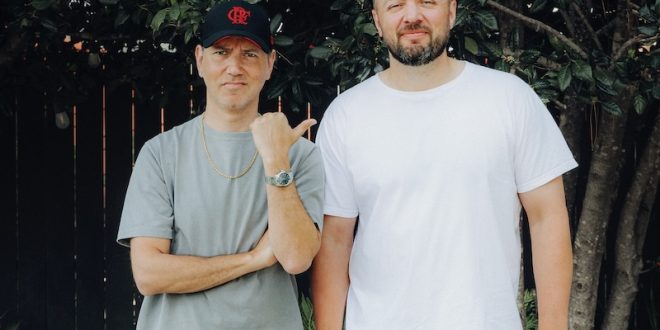

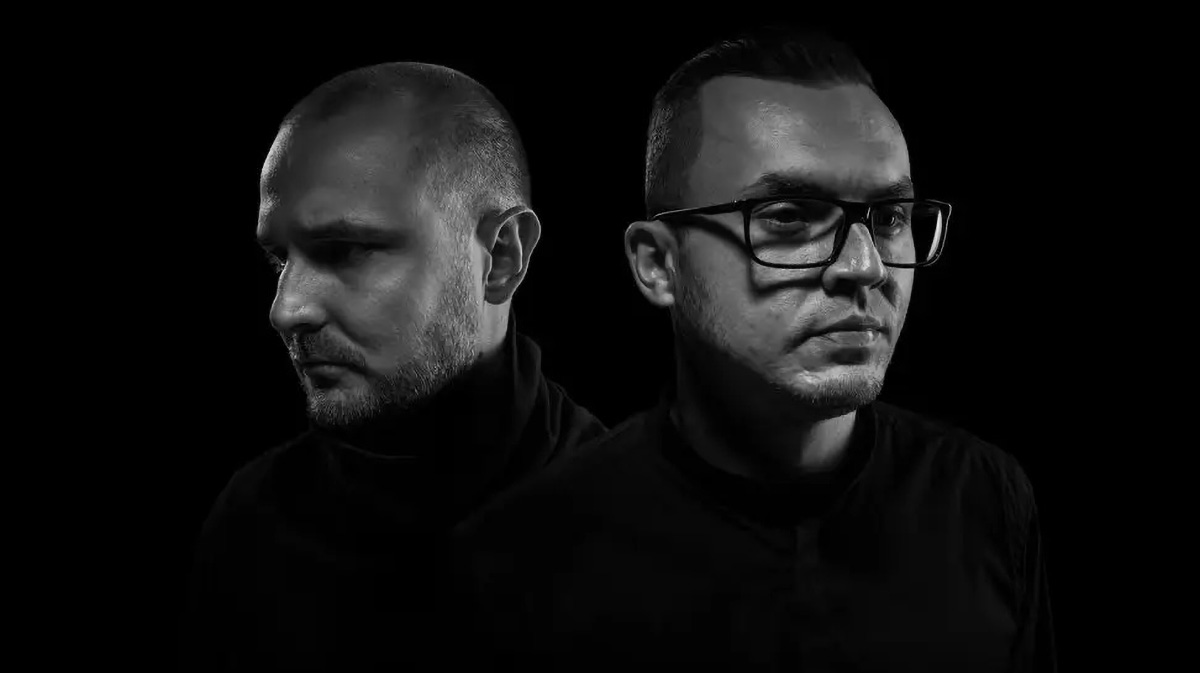
As melodic techno continues to attract enormous crowds around the world, Denys Andriichenko of Woo York is questioning whether the genre still represents the music that originally defined it. In a reflective Instagram post, the Ukrainian producer discussed the rise of Afterlife, the influence of social media, and the growing divide between underground techno and its mainstream identity.
“Are we calling it melodic techno because of the music, or because of who’s playing it?”
His comments highlight an interesting contradiction. While artists associated with the genre now perform for tens of thousands of people, Andriichenko notes that promoters he has known for years are finding it increasingly difficult to sell tickets to smaller, more intimate melodic techno events.
From Underground Community to Global Phenomenon
Before melodic techno became a recognizable genre, its sound was often darker, more hypnotic, and restrained. Subtle melodies and gradual progression took precedence over the dramatic breakdowns and recognizable hooks that define today’s festival sets. Labels such as Life and Death helped establish a community around this style of music before the Afterlife brand introduced it to a much larger audience.
Woo York was part of that early movement, releasing music through Life and Death and performing at Afterlife events as the brand expanded internationally. Andriichenko remembers those early years fondly, noting that extended parties and a dedicated audience helped create an atmosphere that felt closer to a community gathering than a large-scale production.
A Changing Sound and Audience
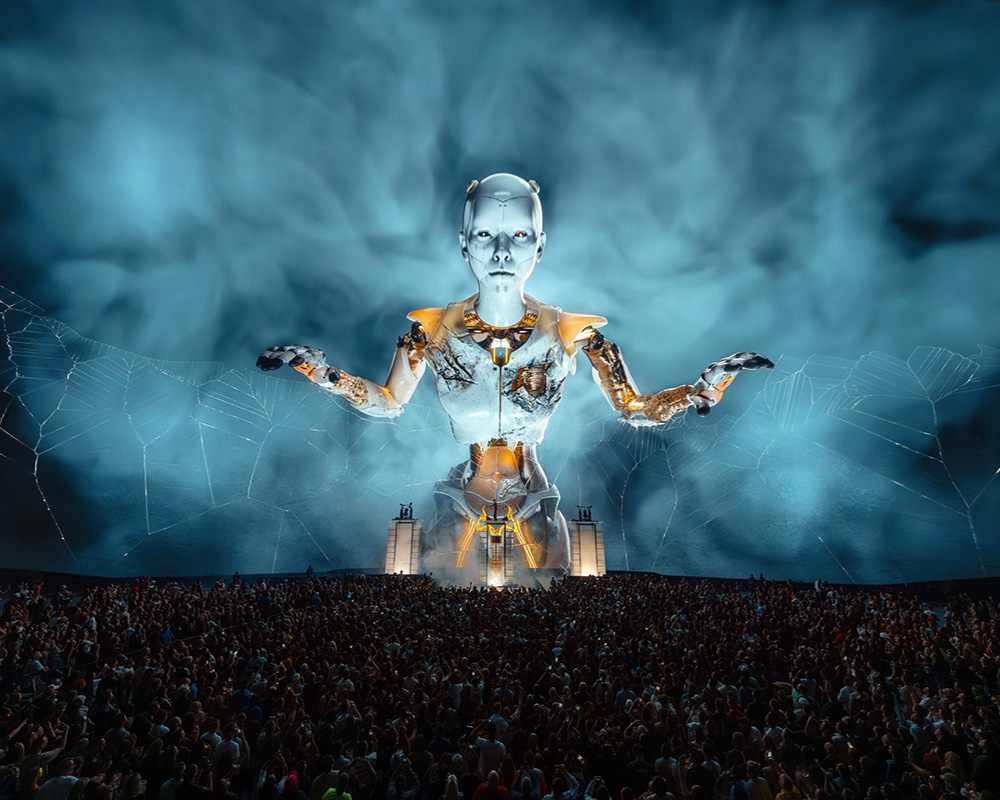
Large-scale events have introduced melodic techno to audiences far beyond its original underground following. Productions have become increasingly elaborate, with immersive visuals and recognizable musical moments playing a larger role in the experience. The influence of social media has also changed how audiences discover electronic music; a dramatic drop or familiar vocal can attract attention in a short video, while the gradual progression of a hypnotic techno track is less suited to that format.
For artists who developed their sound before these changes, the distinction can create uncertainty about where their music belongs. Andriichenko describes encountering pop remakes and tracks influenced by other genres while browsing Beatport’s melodic techno category. The difference between those productions and Woo York’s own music has made even basic genre classification difficult.
His concerns are not necessarily a rejection of the scene’s success. He acknowledges the opportunities created by its growth and welcomes the thousands of new listeners discovering electronic music through major events. Instead, his reflections point to how differently the genre can be understood depending on when and where someone first encountered it. Despite the changes, Andriichenko remains appreciative of the scene’s success while questioning what may have been lost along the way.
“But I do sometimes look at those enormous events and wonder where the music I originally fell in love with has gone.”
His post leaves an open question about the future of the genre as the gap between its underground roots and mainstream identity continues to grow.