
Elon Musk is best known for building influential technology companies that redefine modern industry. However, several prominent figures in his orbit are now backing an entirely different frontier: the burgeoning field of psychedelic medicine.
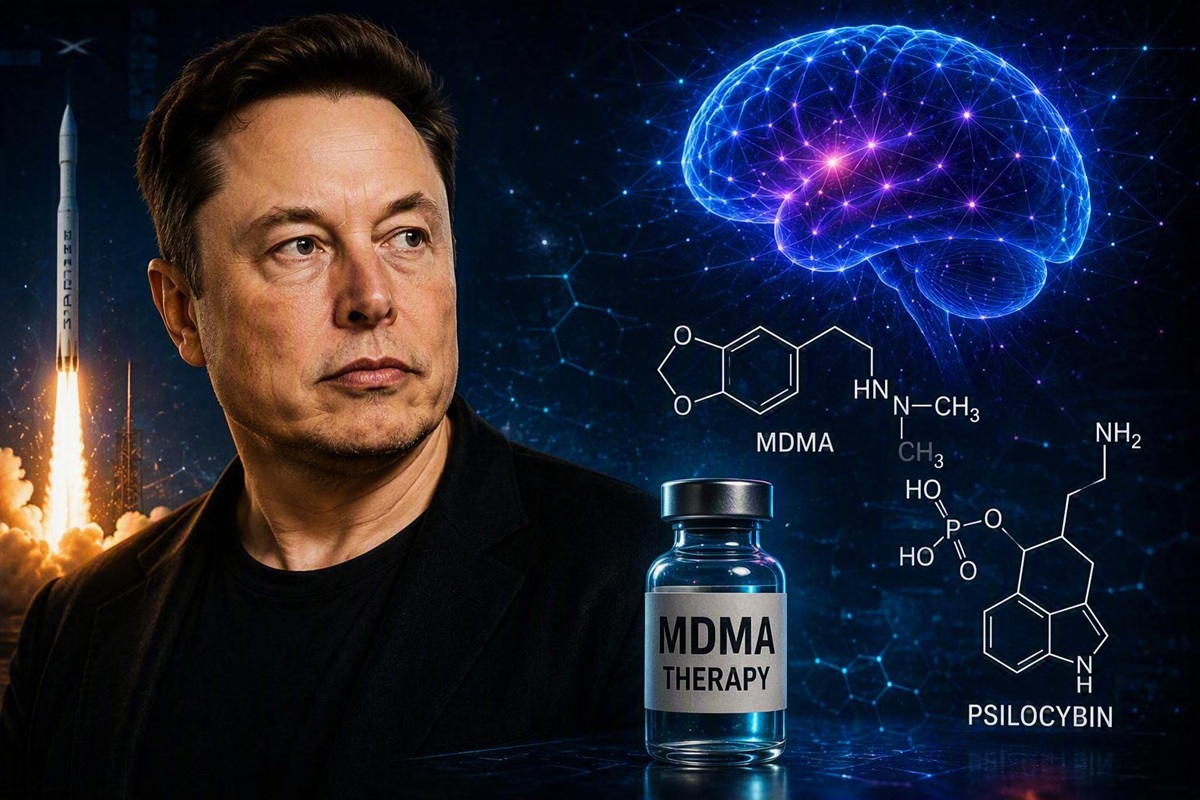
According to The Wall Street Journal, a group of high-profile investors, including former Tesla board member Antonio Gracias, is actively funding companies focused on psychedelic-assisted therapies. These organizations are primarily developing treatments based on MDMA and psilocybin. While interest in these medical applications continues to grow, regulators remain cautious as they evaluate the clinical evidence supporting such therapies.
The Tech Industry’s Interest in Psychedelic Medicine
The investors involved are established leaders in the technology sector, many of whom maintain strong ties to companies associated with Musk. Their financial support is directed toward research into compounds like MDMA and psilocybin, which are being studied for their potential to treat complex mental health conditions, including depression, anxiety, addiction, and post-traumatic stress disorder (PTSD).
Antonio Gracias, a longtime ally of Musk and a former director at both Tesla and SpaceX, stands out as one of the most active supporters in this space. His portfolio includes investments in companies pursuing MDMA-assisted therapy and academic research into psychedelic compounds. The report also highlights other notable figures, such as Peter Thiel, Sergey Brin, and Sam Altman, all of whom have backed organizations dedicated to developing these innovative treatments.
Navigating Regulatory Challenges
Musk has publicly discussed the potential therapeutic value of psychedelics, suggesting that public attitudes toward these substances may continue to shift. This enthusiasm persists despite significant regulatory hurdles. In 2024, the U.S. Food and Drug Administration declined an application from Lykos Therapeutics for MDMA-assisted therapy for PTSD, citing concerns regarding the supporting clinical data.
Despite these setbacks, the momentum behind the sector remains strong. Supporters continue to fund extensive research and additional clinical studies, signaling a long-term commitment to the field. As billionaire-backed funding continues to flow into the industry, psychedelic medicine is increasingly becoming a part of mainstream healthcare discussions, reflecting a growing confidence in its scientific and commercial potential.